

If you would like to spend some time exploring rather than sitting by the sea, try walking among limestone hills, watching birds, or learning about the coast from local people. Cha-am has limestone landscapes, green spaces close to town, mangrove forests, and fishing communities where you can discover nature through the knowledge of those who live here. Choose the activities that interest you, then allow time for each place within your travel plans.
For those who enjoy walking in natural surroundings, Khao Nang Phanthurat Forest Park is a good place to begin. This limestone hill has nature trails leading to sites whose names are linked to the Thai folktale Sang Thong, including Phra Sang’s bathing pool and Nang Phanthurat’s cremation site. Along the way, visitors can observe the landscape while getting to know the stories behind names that people have used for these places for many years.
There are different ways to enjoy a walk here. Some visitors come for the local stories; others are interested in photography or simply want to explore the trails at an unhurried pace. Before setting out, ask the park staff about trail conditions and choose a route that suits the time you have, particularly if travelling with children or older adults.
For a day among trees without a climb, Cha-am Forest Park offers another option. The grounds contain both planted stands of casuarina trees and naturally occurring vegetation. Thailand’s Ministry of Natural Resources and Environment reports that several bird species and squirrels can be found in the park. Under the ministry’s care, areas have also been developed for walking, running, and cycling.
Birdwatching does not have to begin with knowing every species by name. Pause to listen, follow movements among the branches, or notice how birds use the waterside and tree cover differently. Sightings depend on the time and conditions that day, so leave room for a leisurely walk and observe from a distance that does not disturb the animals.
Another highlight is a walk through the mangroves and an introduction to coastal ecosystems at Sirindhorn International Environmental Park, within Rama VI Camp. The park has areas for studying mangrove ecology, alongside facilities for learning about the environment and energy. Walking through the landscape brings details into view that are easy to miss from a distance: tree roots, muddy ground, and the variety of organisms living along the coast. Visitors interested in conservation can also explore the exhibitions at the Energy for Environment Centre. If you would like to visit the mangroves or arrange a group activity, contact the staff in advance to ask which visits and programmes are available at the time, as advised on the park’s website.
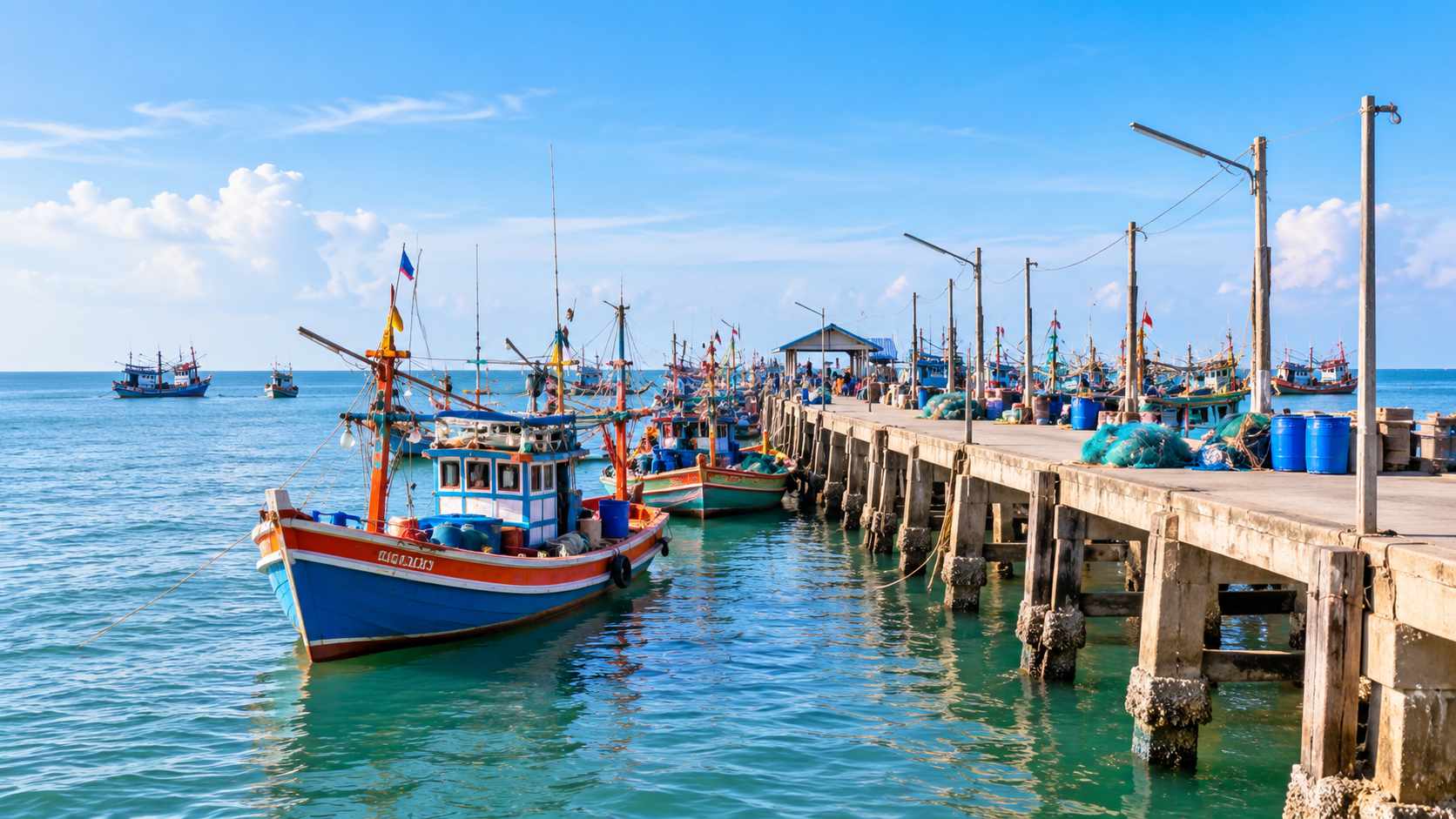
For another perspective, learn about blue swimming crab conservation from coastal communities. Cha-am’s natural environment extends beyond its forests and mangroves. The sea supports fishing livelihoods, giving local people a direct reason to care for its resources. The crab bank projects at Ban Khlong Thian and Bang Sai Yoi are examples of this cooperation. Cha-am Municipality’s local development plan identifies support for both groups, with the aim of promoting crab nursery activities and the participation of local fishers. If you have a chance to speak with community members, a simple question can open the conversation. Why do egg-bearing female crabs need care and how do the fishers work together? Visits should be coordinated with the communities beforehand, as these are working spaces. Demonstrations and releases of young crabs are not available every day.
Cha-am offers several kinds of nature to experience within one trip. You can walk in the hills, watch birds near town, explore the mangroves, or listen to fishers talk about the sea. What makes these activities memorable is the chance to look more closely at each place and understand how people live alongside the natural surroundings.